
 FRThe Intouchables2011 · ★ 8.3
PlanetMoviez: world cinema by region, from The Intouchables, The Postman and The NeverEnding Story to Children of Heaven, Perfect Days, Under the Same Moon and 3 Idiots
190 films in twenty languages, each with an English summary, its cast, its rating and a Watch now button.
France
All of France (30) FR
 FR
 FR
 FR
 FR
Spain and Latin America
All of Spain and Latin America (30)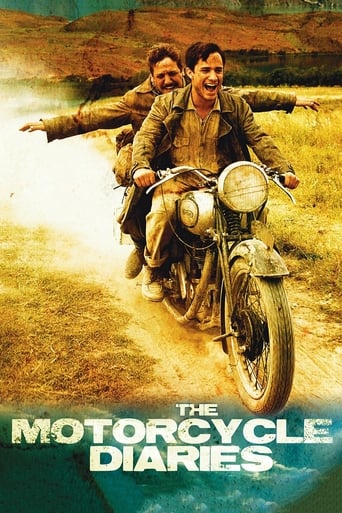 ES
 ES
 ES
 ES
 ES
 ES
Italy
All of Italy (22) IT
 IT
 IT
 IT
 IT
 IT
Germany and Central Europe
All of Germany and Central Europe (22) DE
 DE
 DE
 DE
 DE
 DE
Nordic countries
All of Nordic countries (20) NO
 NO
 SV
 DA
 DA
 SV
Russia, Turkey and the Middle East
All of Russia, Turkey and the Middle East (20) FA
 FA
 TR
 RU
 FA
 AR
East Asia
All of East Asia (26) JA
 KO
 ZH
 JA
 JA
 ZH
India
All of India (20)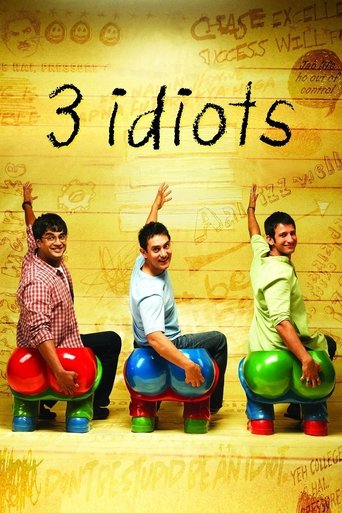 HI
 HI
 HI
 HI
 HI
 HI
More lists
Comedy 111Drama 120Romance 59Family and fantasy 44Before 1980 141980 to 1999 292000 to 2012 572013 to 2025 90Top rated 33
The PlanetMoviez guide
PlanetMoviez: world cinema by region, from The Intouchables, The Postman and The NeverEnding Story to Children of Heaven, Perfect Days, Under the Same Moon and 3 Idiots
PlanetMoviez is a guide to the films the rest of the planet makes. Every one of its 190 titles was shot in a language other than English: twenty languages in all, from French and Spanish to Persian, Finnish and Hindi. The guide describes each film in English, arranges them in eight regions, and gives each a page with its cast, its rating, a summary and a single Watch now button. The films span seventy years, from 1955 to 2025, and would run for about 365 hours if shown end to end.
The idea is simple. A great deal of the world's best-loved cinema reaches English-speaking viewers late or by chance, filed under a single heading as foreign. Here it is sorted the way a traveller would sort it, by where it comes from. A visitor can spend an evening in Italy, a week in the Nordic countries or a month working eastward from Paris to Tokyo. Every title was screened by hand for a family audience, so the selection favours comedy, warm drama, romance, family adventure and stories about children.
This guide explains the page, tours the eight regions in order and ends with practical answers, including advice on subtitles. The short version is on How to watch with PlanetMoviez.
How PlanetMoviez works
The site is designed as a passport. The page is the colour of sand, the lines are drawn in blue and red ink, and the logo is a small ringed planet. The menu under it lists seven of the regions and the A-Z index, and a tilted box at the right opens My Passport.
The home page begins with a ruled panel holding eight round stamps, one for each region, alternately blue and red and set slightly askew as real stamps are. Each shows the number of films and the name of the region, and pressing one jumps to that region's row. Eight rows of six posters follow. Every poster sits in a cream mount, like a photograph in an album, with a small red tag at its corner giving the language in two letters: FR for French, IT for Italian, JA for Japanese, FA for Persian and so on. A line of nine further lists closes the page.
A film page gives the English title with the original beneath it, the year, the running time, the score out of ten, a summary and the cast. Beside the Watch now button is a selector with sixteen countries; choose one, press the button, and JustWatch shows the subscription, rental, purchase and free services that carry the film there. Finding a film explains the search box and the lists, and the eight regions page gives an overview.
France
The first stamp is France, with thirty films. French cinema is the oldest in the world and the one most generous to comedy, and the row shows both sides. The 400 Blows, made by François Truffaut in 1959, follows a Paris schoolboy named Antoine who is always in trouble and seldom understood; it launched a movement, and its last image, the boy turning to face the camera at the edge of the sea, is among the most famous in film.
The popular comedies are a French institution. Welcome to the Sticks sends a post office manager from the sunny south to a town in the far north that he imagines as a frozen wasteland; he finds warm neighbours and a dialect he can barely follow, and the film broke every attendance record in France. The Visitors drops a medieval knight and his servant into the 1990s. The Dinner Game turns on a weekly dinner to which a group of smug friends each bring the most foolish guest they can find, and the guest who builds models out of matchsticks takes a gentle and complete revenge. Asterix & Obelix: Mission Cleopatra gives the cartoon Gauls three months to build a palace in Egypt.
The most watched film in the whole guide is The Intouchables, which scores 8.3. A wealthy man paralysed in an accident hires, against all advice, a young man from the housing estates as his carer, and each gives the other back his appetite for life. The Bélier Family, about a farming family who are deaf and the daughter who discovers her singing voice, was later remade in English. Two Is a Family, Le Brio, Sink or Swim, in which a group of middle-aged men form a synchronised swimming team, and the silent, black-and-white The Artist complete a fine first row. The France guide sorts the thirty.
Spain and Latin America
The second stamp covers thirty films in Spanish and Portuguese, from Spain, Mexico, Argentina, Peru and Brazil. Spain's recent comedies are among the liveliest in Europe. Champions gives a hot-headed basketball coach, as his community service, a team of players with intellectual disabilities, and lets them teach him what winning means; it was later remade in several countries. Toc Toc seats six patients with different compulsions in one waiting room while their doctor is delayed. The Good Boss has Javier Bardem as the smiling owner of a factory that makes weighing scales, and Off Course follows two young graduates who try their luck in Germany.
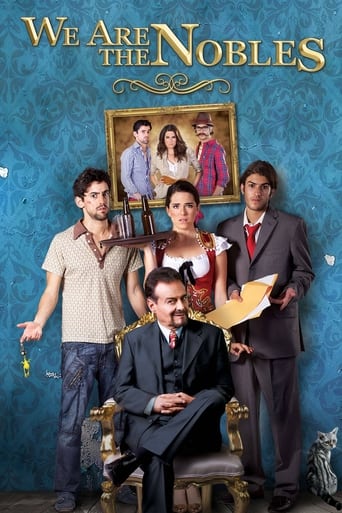
Mexico contributes two films that score 8.0. In We Are the Nobles a millionaire, worried that his grown children have been spoiled, pretends that the family is ruined and sends them out to find work. Under the Same Moon is the journey of a nine-year-old boy who sets out alone to reach his mother, who has been working in Los Angeles for four years. Get Married If You Can and Anonymously Yours are lighter Mexican comedies.
From Argentina comes Son of the Bride, in which a harassed restaurant owner helps his elderly father give his mother the church wedding she always wanted, and My Masterpiece, a sly comedy about a gallery owner and his difficult painter friend. The Motorcycle Diaries crosses the whole continent in 1952 on an old Norton and, when it breaks down, on foot. Brazil is represented by five bright comedies, among them DJ Cinderella and The Beachnickers. Mondays in the Sun and 100 Meters, the true story of a man who answered a hard diagnosis by training for a triathlon, are the region's most admired dramas. The Spain and Latin America guide sorts the row by country.
Italy
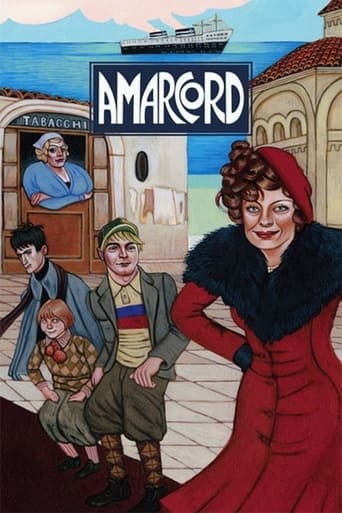
The Italian stamp counts twenty-two films, and the row begins with three undisputed masters. Federico Fellini's Amarcord remembers a seaside town in the 1930s through a year of its festivals, its fog, its schoolroom jokes and a great ocean liner passing in the night. Dino Risi's Il Sorpasso puts a shy law student in the passenger seat of a sports car driven by a charming loudmouth on a holiday weekend, and scores 8.2. Mario Monicelli's My Friends follows five middle-aged Florentines who refuse to grow up and devote their free days to elaborate practical jokes.
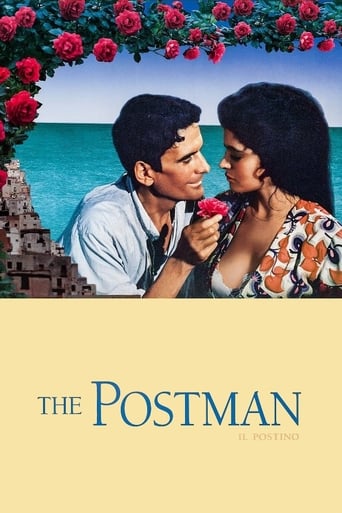
Italy loves its comedians, and several are here. Massimo Troisi wrote, directed and starred in I'm Starting from Three and gave his last performance in The Postman, as a shy islander who delivers letters to an exiled poet and learns from him what a metaphor is; it scores 7.9. The trio of Aldo, Giovanni and Giacomo made Three Men and a Leg, a road comedy about three friends carrying a wooden sculpture the length of the country, and I Hate Summer. Carlo Verdone plays three travellers in Bianco, rosso e Verdone, and Leonardo Pieraccioni's The Cyclone brings a troupe of flamenco dancers to a sleepy Tuscan farm.
The newer films are quieter. The Eight Mountains follows a friendship between a city boy and a mountain boy across thirty years and one stone hut in the Alps. Happy as Lazzaro is a fable about a farmhand of perfect good nature. Matteo Garrone's Pinocchio returns the story to the Tuscan countryside where it was written, with Roberto Benigni as Geppetto, and Italian Race is a family drama set on the motor racing circuit. The Italy guide groups the twenty-two.
Germany and Central Europe
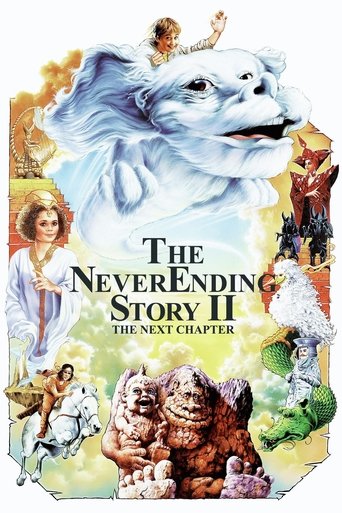
The fourth stamp, twenty-two films, covers Germany, Austria, Switzerland, Poland and the Czech lands. Its best-known title is The NeverEnding Story of 1984, in which a boy hiding in a school attic reads himself into the land of Fantasia and rides a luck dragon; its two sequels are listed beside it. A newer fantasy series, Ruby Red, Sapphire Blue and Emerald Green, follows a London schoolgirl who learns that she has inherited the ability to travel in time.
Germany's art cinema of the 1970s and 1980s is represented by three directors. Werner Herzog made Fitzcarraldo, whose hero means to build an opera house in the Amazon and must first haul a steamship over a hill, a feat the film crew actually performed. His The Enigma of Kaspar Hauser is the true story of a young man who appeared in a town square in 1828 unable to say where he had come from. Wim Wenders's Alice in the Cities pairs a tired journalist with a nine-year-old girl in search of her grandmother, and Percy Adlon's Bagdad Cafe strands a Bavarian tourist at a desert motel in California.
Central Europe adds two favourites. Three Wishes for Cinderella, a Czech film of 1973, is shown on television every Christmas across half the continent; its heroine rides, shoots and outwits the prince before she agrees to marry him. Forgotten Love, from Poland, tells of a celebrated surgeon who loses his memory and lives for years as a village healer. The romantic Sissi films made a star of the young Romy Schneider in the 1950s. Recent German cinema supplies The Teachers' Lounge, A Coffee in Berlin, Goodbye Berlin, in which two fourteen-year-olds borrow a car for the summer holidays, I'm Your Man and Windstorm, about a girl and an unmanageable horse.
The Nordic countries
Twenty films in Swedish, Norwegian, Danish and Finnish carry the fifth stamp. Denmark has two winners of the Academy Award for foreign-language film in a single row. Babette's Feast is set in a strict village on the coast of Jutland, where a French refugee who has cooked plain food for two elderly sisters for years spends a lottery prize on one magnificent dinner. Pelle the Conqueror follows a Swedish widower, played by Max von Sydow, and his young son, who cross to Denmark in search of work and find a hard life on a farm.
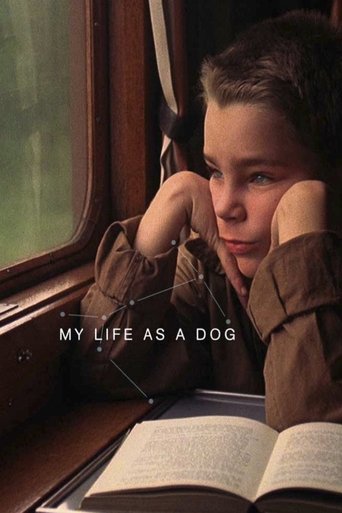
Sweden contributes My Life as a Dog, Lasse Hallström's funny and tender film about a twelve-year-old sent to stay with relatives in a village of eccentrics in the 1950s, and Ingmar Bergman's Autumn Sonata, a duel of words between a concert pianist and her daughter, with Ingrid Bergman and Liv Ullmann. Pippi Longstocking, from 1969, is the version of Astrid Lindgren's heroine that Swedish children still watch, and Simple Simon is a comedy about a young man who loves order and decides to find his brother a new girlfriend by scientific method.
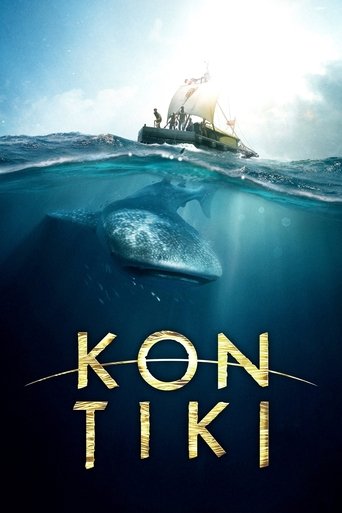
From Norway come Kon-Tiki, the true story of the six men who crossed the Pacific on a balsa raft in 1947, and Amundsen, about the polar explorer. Finland's Aki Kaurismäki is represented by Drifting Clouds, in which a tram driver and a head waiter lose their jobs in the same month and decide to open a restaurant, and by Leningrad Cowboys Go America, the deadpan tour of a band with the tallest hair in rock music. Christmas Story, also Finnish, imagines how an orphan boy in Lapland grew up to become Father Christmas. The Germany and Nordic guide covers both regions, and the Europe page all five European stamps.
Russia, Turkey and the Middle East
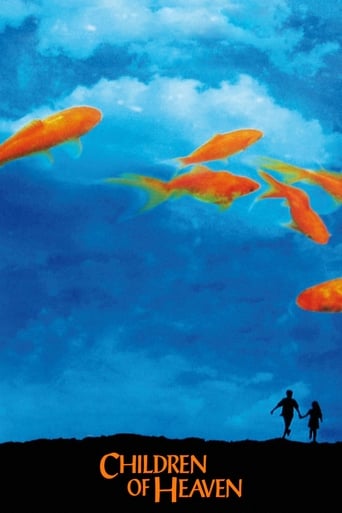
The sixth stamp gathers twenty films in Russian, Persian, Turkish and Arabic. Iran's cinema is one of the wonders of the last forty years, built on small stories told with great feeling, and seven of its films are here. Children of Heaven is about a brother and sister in Tehran who must share a single pair of shoes after he loses hers, and about the race he enters hoping to finish exactly third, because third prize is a pair of trainers. It scores 7.9. Where Is The Friend's House? follows a schoolboy who crosses the hills at dusk to return a classmate's exercise book before the teacher can punish him.
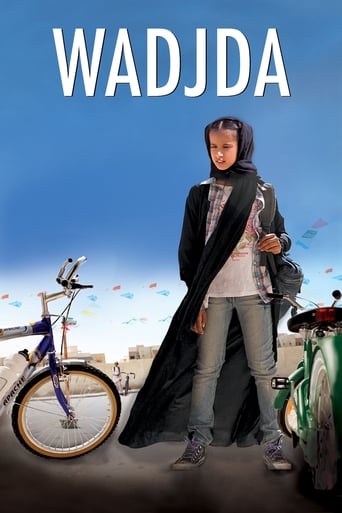
Asghar Farhadi's A Separation, which won the Academy Award, begins with a couple at odds over whether to leave the country and becomes a puzzle about truth in which every character has a reason. Hit the Road is a family car journey that is funny and sad by turns, and Through the Olive Trees is a love story set among a film crew. From the Arab world come Wadjda, the first feature filmed entirely in Saudi Arabia, about a ten-year-old girl who enters a recitation contest to win the money for a green bicycle, and The Man Who Sold His Skin.
Russia's contribution is strongest in comedy. Ivan Vasilyevich Changes His Profession, from 1973, lets an inventor's time machine exchange a fussy Moscow building manager with Ivan the Terrible, and it has been quoted by Russians ever since. Office Romance is a much-loved comedy about a timid statistician persuaded to court his formidable director. Heart of a Dog adapts Bulgakov's satire. Salyut-7 and Three Seconds are recent films about a space rescue and a basketball final. Turkey is represented by Nuri Bilge Ceylan's Winter Sleep, set in a snowbound hotel carved into the rocks of Cappadocia, and Distant.
East Asia
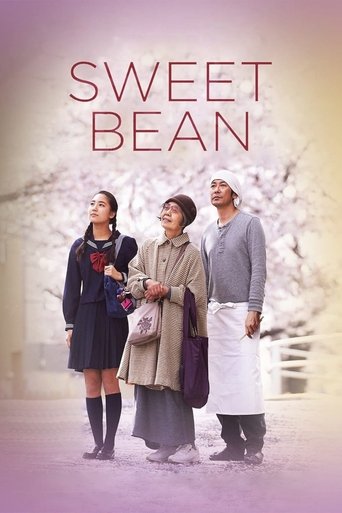
The seventh stamp is the second largest outside Europe: twenty-six films in Japanese, Korean and Chinese. Japan offers Perfect Days, in which a man who cleans the public toilets of Tokyo lives a life of quiet routine, cassette tapes and photographs of trees, and makes the audience envy him. Sweet Bean, Kikujiro, After Life and Love Letter are gentle classics, Kamikaze Girls is a candy-coloured comedy of friendship, and Beyond the Infinite Two Minutes is a seventy-minute marvel in which a café owner finds that his television shows what will happen two minutes from now.
Korea's films are led by The Way Home, about a city boy and his silent grandmother, and by a run of romances: 20th Century Girl, set in 1999 among video shops and pagers, Tune in for Love, Always, A Werewolf Boy and The Beauty Inside, whose hero wakes each morning with a different face. 200 Pounds Beauty is a hit comedy about a singer with a hidden voice, and The Moon is a space adventure.
The Chinese-language films include Edward Yang's Yi Yi, a portrait of three generations of a Taipei family across one year that many critics count among the best films of its decade; it scores 8.0. You Are the Apple of My Eye is a Taiwanese school romance, Return to Dust a tender story of a farming couple, and Stephen Chow supplies two comedies, King of Comedy and The Mermaid. The Asia and Middle East page covers the three eastern stamps.
India
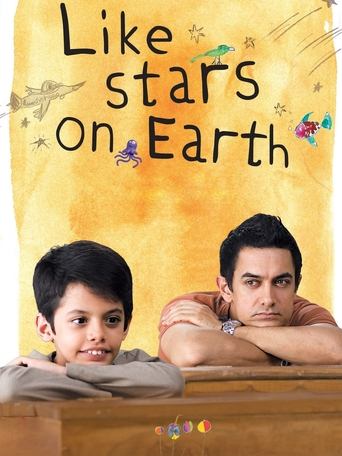
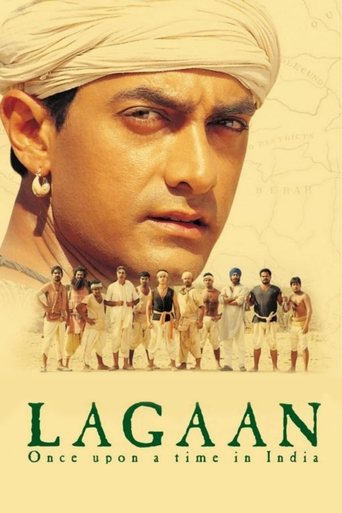
The eighth stamp belongs to India, with twenty films in Hindi. They are the giants of the last quarter century: 3 Idiots, Like Stars on Earth, Lagaan: Once Upon a Time in India, Kabhi Khushi Kabhie Gham, Kal Ho Naa Ho, Kuch Kuch Hota Hai, Swades and Chak De! India. Hindi films are long, musical and openly emotional, and a viewer new to them should allow a full evening and an interval.
The row also holds Barfi!, Jab We Met, Queen, English Vinglish, Dear Zindagi, Udaan and 12th Fail, the true story of a village boy's long road through the national examinations, which scores 7.9. Together they show a cinema as interested in classrooms and families as in romance.
Top rated
The top rated list holds the thirty-three films that score 7.8 or higher from at least a hundred ratings, and every region is on it. Two recent Asian romances lead: Even If This Love Disappears Tonight at 8.5 and Drawing Closer at 8.4. The Intouchables follows at 8.3, and Il Sorpasso, 20th Century Girl and Love Untangled share 8.2. My Friends has 8.1.
A remarkable group stands at 8.0: The 400 Blows, Three Men and a Leg, Autumn Sonata, Yi Yi, The Way Home, 3 Idiots, Like Stars on Earth, We Are the Nobles, Under the Same Moon and Misfit. At 7.9 come A Separation, The Postman, Amarcord, Children of Heaven, Where Is The Friend's House?, Heart of a Dog, Ivan Vasilyevich Changes His Profession and 12th Fail.
What the list shows is that audiences agree across borders more than might be expected. A French comedy about friendship, an Italian road film from 1962, an Iranian story about a pair of shoes and an Indian comedy about engineering students all earn the same high regard from viewers around the world. The top rated page gives the order.
Four genres across the regions
Four lists cut across the stamps. Drama is the largest with 120 films and comedy close behind with 111; romance has fifty-nine, and family and fantasy forty-four. The comedy list is the best argument for watching beyond one's own language, because it shows how many kinds of laughter there are: the French farce of The Dinner Game, the Italian comedy of manners, the dry Finnish silence of Leningrad Cowboys Go America, the broad Russian slapstick of Ivan Vasilyevich Changes His Profession and the cartoon invention of The Mermaid.
The romance list is as varied. Heartbreaker, set in Monaco, is about a man who is paid to end unsuitable engagements. Rolling to You and Up for Love are French comedies about first impressions. Love Letter and Asako I & II are Japanese stories of memory, A Swedish Love Story watches two teenagers through one summer, and Office Romance proves that the workplace comedy was thriving in Moscow in 1977. The genres page links to all four lists.
Family and fantasy
The forty-four films under family and fantasy make a good first passport for young viewers. Children are at the centre of many of the best: Children of Heaven, Where Is The Friend's House?, Wadjda, The 400 Blows, My Life as a Dog, Under the Same Moon and Like Stars on Earth all see the world from below the height of an adult's shoulder, and children watching them recognise the feeling at once, whatever the language.
Fantasy travels easily too. The NeverEnding Story, Three Wishes for Cinderella, Pinocchio, Christmas Story, Pippi Longstocking and the three Ruby Red films need little explanation. The live-action Asterix comedies, Asterix & Obelix: Mission Cleopatra, Asterix at the Olympic Games and Asterix & Obelix: The Middle Kingdom, bring a much-loved comic strip to life, and HOUBA! On the Trail of the Marsupilami does the same for another. From Russia comes The Last Warrior: Root of Evil, a fairy-tale adventure, and from Norway Ragnarok, in which an archaeologist takes his children on an expedition that goes further than planned. The family and fantasy guide sorts the list.
Four periods
The catalogue is also arranged by date. The earliest list, Before 1980, has fourteen films, among them The 400 Blows, Il Sorpasso, Amarcord, My Friends, Alice in the Cities, Autumn Sonata, Office Romance and the two Sissi films of the 1950s, the oldest in the guide. The list for 1980 to 1999 has twenty-nine, including Fitzcarraldo, The NeverEnding Story, Babette's Feast, Pelle the Conqueror, The Postman, Children of Heaven, The Visitors and The Dinner Game.
The list for 2000 to 2012 has fifty-seven films: Yi Yi, The Way Home, Son of the Bride, Welcome to the Sticks, The Intouchables, A Separation, Wadjda and most of the Hindi row. The newest list, 2013 to 2025, is the largest with ninety, which reflects how much easier it has become for a film to cross borders. Perfect Days, The Eight Mountains, Champions, The Teachers' Lounge, Hit the Road and 20th Century Girl are among them. The periods page links to each list.
Watching with subtitles
Every film on PlanetMoviez will reach most visitors with subtitles, and anyone who has avoided them until now may be glad of a little encouragement. The first thing to know is that the difficulty lasts about ten minutes. After that the eye learns the rhythm, and most viewers find that they have stopped noticing they are reading.
The second is to choose the first film well. A fast comedy with plenty of physical action is easier than a drama built on long speeches. The Dinner Game is eighty minutes long and nearly all of it happens in one flat. Three Men and a Leg and Welcome to the Sticks are as clear. Films told largely in pictures are easier still: Kikujiro, Where Is The Friend's House?, The Way Home and Perfect Days could almost be followed with the sound turned down.
The third is practical. The subtitle languages on offer are decided by the service that carries a film in your country; JustWatch lists those services, and each shows its subtitle choices before the film begins. Some services also offer a dubbed soundtrack, which suits younger children who have yet to read quickly. The subtitles page repeats this advice in brief.
Choosing by the time you have
The shortest film in the guide is Beyond the Infinite Two Minutes at seventy minutes, followed by Leningrad Cowboys Go America at seventy-nine and The Dinner Game at eighty. European comedies are generally brisk; most of the French and Italian rows finish in about an hour and a half.
At the other end stand the Hindi epics. Lagaan: Once Upon a Time in India runs for 233 minutes, Mohabbatein for 216 and Kabhi Khushi Kabhie Gham for 209, each with an interval built in. Outside India the long films are the contemplative ones: Winter Sleep passes three hours, and Yi Yi comes close.
A useful rule for a first journey is to keep it short. Seventy to a hundred minutes in an unfamiliar language is a pleasure; three hours is a commitment better made once the habit is formed.
Choosing by the company you keep
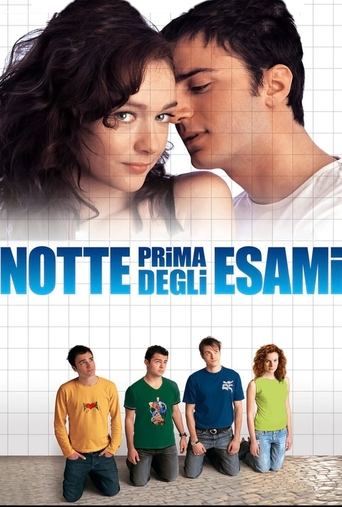
For children, begin with the fantasy films and with Children of Heaven, which has been shown in schools around the world. Older children enjoy the Asterix comedies, Champions, Wadjda and Kon-Tiki. Teenagers have the German time-travel trilogy, Goodbye Berlin, 20th Century Girl, You Are the Apple of My Eye and the Italian school comedy The Night Before the Exams, set in the last days before the final examinations of 1989.
For a couple, the guide suggests Heartbreaker, The Postman, Tune in for Love or Son of the Bride. For older viewers, Babette's Feast, Autumn Sonata, Amarcord and Drifting Clouds have the patience and the depth they may be looking for.
For a mixed household the safest choices are the films that have already conquered several countries: The Intouchables, The Bélier Family, Welcome to the Sticks, 3 Idiots and We Are the Nobles. Each was a record-breaking success at home before it travelled, and each travelled because its story needs so little translation.
Journeys on screen
A guide built like a passport ought to say something about travel, and a surprising number of its films are journeys. Il Sorpasso drives up the Italian coast in a convertible. The Motorcycle Diaries crosses South America. Three Men and a Leg runs from Milan to the heel of Italy, Hit the Road across the Iranian plateau, Goodbye Berlin through the fields of eastern Germany and Kikujiro along the Japanese coast in summer.
Others travel by stranger means. Kon-Tiki drifts across the Pacific on a raft, Fitzcarraldo steams up the Amazon, Salyut-7 goes into orbit and The Moon beyond it. Under the Same Moon and Alice in the Cities are both about a child and a reluctant adult looking for a relative in an unfamiliar country, made thirty-three years and an ocean apart.
And several are about people who arrive somewhere and stay: the postman from the south in Welcome to the Sticks, the Bavarian guest of Bagdad Cafe, the French cook of Babette's Feast, the Swedish labourers of Pelle the Conqueror. Cinema has always been good at showing a stranger learning a new place, which is also what its audience is doing.
Directors worth a search
The search box reads directors' names, and world cinema is easiest to explore through them. In France, François Truffaut made The 400 Blows, Francis Veber The Dinner Game, Michel Gondry The Science of Sleep and Cédric Klapisch Russian Dolls. Olivier Nakache and Éric Toledano directed The Intouchables together.
In Italy the names are Fellini, Risi and Monicelli, with Matteo Garrone and Alice Rohrwacher among the living. Germany offers Werner Herzog and Wim Wenders, and Wenders appears twice: he made Alice in the Cities in 1974 and, half a century later, went to Tokyo to make Perfect Days, which is listed with the Japanese films because Japanese is the language it speaks.
The north has Ingmar Bergman, Lasse Hallström, Bille August, Joachim Trier, who made Reprise and Sentimental Value, and Aki Kaurismäki. Iran has Abbas Kiarostami, Majid Majidi and Asghar Farhadi, and Turkey has Nuri Bilge Ceylan. In East Asia the guide holds work by Hirokazu Kore-eda, Takeshi Kitano, Naomi Kawase, Shunji Iwai, Edward Yang and Stephen Chow, and in India by Rajkumar Hirani, Ashutosh Gowariker and Karan Johar.
Films that were remade
One sign of a strong story is that another country wants to tell it again, and many films in this guide have been remade in English or in other languages. The Bélier Family became an American film that won the Academy Award for best picture. The Intouchables was remade in Hollywood and in India. The Dinner Game, The Visitors and Welcome to the Sticks all inspired new versions abroad; the Italian one, set between Milan and the south, led in turn to Welcome to the North, which is in the Italian row.
Champions was remade in the United States, Germany and India. We Are the Nobles has been retold across Latin America and Europe, and Two Is a Family is itself a French version of a Mexican hit. 200 Pounds Beauty and The Beauty Inside have travelled around Asia.
The originals are nearly always worth seeing first. They carry the details of a real place, a village in Jutland or a street in Tehran, that a new version has to exchange for something nearer home, and those details are much of the pleasure.
Food and festivals
The table is a universal subject, and the guide sets a generous one. Babette's Feast builds to a dinner of seven courses that thaws a village. Sweet Bean attends to the making of a single filling for a single pancake. Son of the Bride takes place in and around a Buenos Aires restaurant, The Good Boss in a factory canteen, and Drifting Clouds ends with a new restaurant opening its doors and its owners waiting to see whether anyone will come.
Festivals mark the calendar. Three Wishes for Cinderella and Christmas Story belong to December in the countries that made them. Amarcord counts its year from one spring bonfire to the next. The Hindi films bring weddings and the festival of lights, Il Sorpasso takes place on the August holiday when all Italy goes to the sea, and 20th Century Girl remembers the last school year of a century.
Twenty languages
The red tag on each poster gives the language of the film as a two-letter code, and there are twenty of them in the guide. French, Spanish, Italian, German and Hindi are the largest groups. Japanese and Korean have ten films each, Russian nine and Persian seven. Swedish, Norwegian and Danish share the Nordic row with three films in Finnish. Portuguese, Chinese, Turkish and Arabic are represented by a handful each, and Czech and Polish by one.
Hearing them is part of the reward. The clipped comedy of French, the music of Italian, the formality of Persian and the long vowels of Finnish are as much a part of these films as their landscapes, and a few evenings are enough to begin telling one from another by ear. The original title, shown under the English one on every film page, is a small first lesson.
School in eight regions
One way to see how alike and how different the regions are is to follow a single subject across them, and school is the best. France offers The 400 Blows, where the classroom is a place of punishment, and sixty years later School Life, set in a lively secondary school on the edge of Paris, and Le Brio, in which a law student from the suburbs is coached for a national speaking contest by a professor with a sharp tongue.
Germany's The Teachers' Lounge turns a series of small thefts into a study of a whole school under strain. Italy's The Night Before the Exams remembers the dread and excitement of the final year. Iran's Where Is The Friend's House? hangs its entire story on a homework book, and Saudi Arabia's Wadjda on a contest. India's 3 Idiots, Like Stars on Earth and 12th Fail make the strongest case of all that an education should free a child instead of frightening one.
A viewer who watches four or five of these will have learned a good deal about childhood in half a dozen countries, and will have noticed that a strict teacher and a kind one look much the same everywhere.
Work and dignity
Films from beyond Hollywood have long been interested in ordinary work, and the guide reflects it. Mondays in the Sun spends its time with men who have lost their jobs at a Spanish shipyard and meet each day at the same bar. Drifting Clouds is about the same misfortune in Helsinki and ends in hope. The Good Boss sees a factory from the owner's office, with irony. Perfect Days makes a quiet hero of a cleaner, and Late Shift follows a hospital nurse through a single evening on an understaffed ward.
Office Romance and A Coffee in Berlin are comedies of the desk and of the lack of one. Return to Dust watches a farming couple build a house from mud bricks, season by season. The Postman and Welcome to the Sticks both find poetry in delivering the mail. These films share a respect for people who do a job properly, and they find drama in the doing.
Friendship across the map
The most watched film in the guide is about a friendship, and so are many of the others. The Intouchables joins two men from opposite ends of French society. The Eight Mountains follows two boys who meet in an Alpine village and remain friends for life, though one stays and one roams. My Friends and What Men Talk About, an Italian comedy of 1975 and a Russian one of 2010, are both about a carload of middle-aged men talking nonsense on a road trip and meaning every word.
Friendship between young women is the subject of Kamikaze Girls in Japan and 20th Century Girl in Korea, where a schoolgirl spends a term gathering facts about a boy on behalf of her best friend, who is abroad. Dil Chahta Hai and 3 Idiots are the great Indian films about friends after college, and Sink or Swim gives a group of discouraged Frenchmen a team to belong to. This Crazy Heart, from Germany, pairs a rich young idler with a fifteen-year-old patient who has a list of things he wants to do. In each case the pattern is the one audiences everywhere seem to want: two or more people who had little reason to meet, and who are the better for it.
Growing old on screen
European and Asian cinema give older characters more room than Hollywood usually does. Son of the Bride is built around a husband's devotion after forty-four years of marriage. Autumn Sonata lets a mother and a grown daughter say what they have kept back for decades. Babette's Feast belongs to two elderly sisters and a general who once loved one of them, and The Way Home to a grandmother whose patience outlasts a small boy's temper.
Sweet Bean gives its best scenes to a woman in her seventies with a recipe and a past. Amarcord is an old man's memory of being young, After Life asks people at the end of their lives what they would keep, and Winter Sleep studies a retired actor who has mistaken comfort for wisdom. For viewers who are weary of films about people under thirty, the guide has a great deal to offer, and the top rated list is a good place to find it.
The young are well served too, and often in the same films. My Life as a Dog, Pelle the Conqueror and Kikujiro each set a boy beside an older guardian who is learning as much as he is, and the pairing of a child with someone three or four times his age turns out to be one of the most dependable pleasures in the cinema of any country. Families who watch together across generations will find that these are the titles everyone in the room remembers a week later.
My Passport
My Passport, the tilted box at the right of the header, is your own list of films to watch. The list button on a film page adds the film, and the Remove button on the list page takes it out. The list is kept in the browser on your own device, which keeps it private and quick to open, and its page can save it as a file. The My Passport page explains each step.
The eight stamps suggest a plan: one film from each region. A first passport might hold The Intouchables, Champions, The Postman, Three Wishes for Cinderella, Babette's Feast, Children of Heaven, The Way Home and 3 Idiots. That is eight evenings and eight countries, and a viewer who completes it will know which border to cross again.
After the first round, the language tags make a pleasant game. Some visitors set out to collect all twenty; others choose one language and stay with it until its sound is familiar.
A PlanetMoviez film page, stamp by stamp
A film page on PlanetMoviez is set out like a page of a travel document. The English title heads it in dark ink, and the original title follows in its own language and script. The poster stands at the left in a cream mount. A row of small labels gives the year, the running time and the genres, and the summary beneath them is written in English and keeps the ending back. The blue Watch now button and the list button come next, and a panel under them holds the country selector with a second button. A table of facts follows, where the original language and the country of production are stated in full alongside the release date, the studio and the score out of ten with its number of ratings. The cast is listed with the names of the characters and the director after them, and each name links to the other films in the guide that share it.
Where to begin
The honest answer is anywhere, but three doors open more easily than the rest. The French row is the gentlest start for a viewer used to Hollywood comedy. The Hindi row is the most generous with spectacle. The Iranian films, though they come from furthest away in manner, are often the ones that visitors remember longest.
Whichever is chosen, the guide's advice is to follow enjoyment and let the collection grow sideways: from a film to its director, from the director to the country, and from the country to its neighbours on the row of stamps.
PlanetMoviez: questions travellers ask
Questions
What is PlanetMoviez?
PlanetMoviez is a guide to 190 films from around the world in twenty languages other than English. Each film has an English summary, its cast and rating, and a Watch now button that leads to official services.
How do I watch a film I find on PlanetMoviez?
Open the film page, choose your country beside the blue Watch now button and press it. JustWatch then shows the subscription, rental, purchase and free services that carry the film in that country.
Which regions does PlanetMoviez cover?
There are eight: France, Spain and Latin America, Italy, Germany and Central Europe, the Nordic countries, Russia, Turkey and the Middle East, East Asia, and India.
Are there English-language films on PlanetMoviez?
The guide is reserved for films in other languages. Titles and summaries are given in English so that every film is easy to find and choose.
Will the films have subtitles?
That depends on the service that carries each film in your country. JustWatch shows those services, and each lists its subtitle and audio choices.
Which PlanetMoviez films have the highest scores?
Even If This Love Disappears Tonight has 8.5, Drawing Closer 8.4 and The Intouchables 8.3. Il Sorpasso, 20th Century Girl and Love Untangled have 8.2.
What do the two-letter tags on the posters mean?
They give the language of the film: FR for French, ES for Spanish, IT for Italian, DE for German, JA for Japanese, KO for Korean, FA for Persian, HI for Hindi and so on.
Is PlanetMoviez suitable for family viewing?
Every film was screened by hand for a family audience. The family and fantasy list has forty-four films chosen with younger viewers in mind.
What is My Passport?
My Passport is your personal list of films to watch. It is kept in the browser on your device and can be saved as a file from the list page.
Where does PlanetMoviez get its information?
Posters, ratings and cast lists are supplied by TMDB, and the links to services come from JustWatch. The guide and help pages are written by the PlanetMoviez editorial team.
